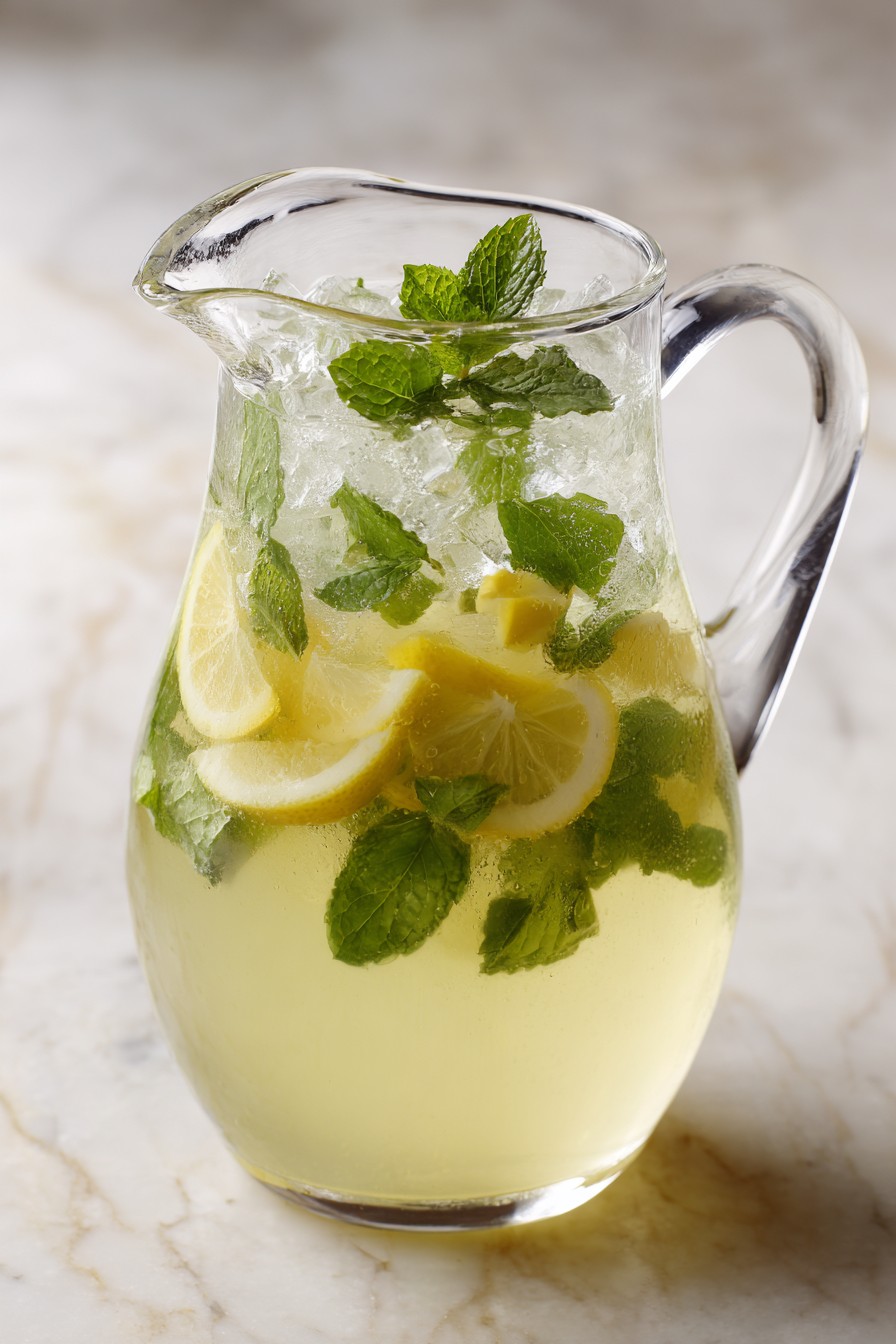
Master Your Lemonade Ratio: Achieving Perfect Sweet-Tart Balance & Healthy Swaps
There's something undeniably magical about a tall, ice-cold glass of lemonade on a scorching day. It’s more than just a drink; it's a sip of summer, a memory of childhood, and a simple pleasure that refreshes the soul. While store-bought versions often fall short – either too saccharine or lacking that vibrant, fresh citrus zing – mastering your own
homemade lemonade recipe allows you to craft the perfect sweet-tart symphony tailored to your exact preferences. Forget artificial flavors and excessive sugar; we're diving into the art of true, fresh lemonade, just like grandma used to make.
Many of us cherish recollections of backyard gatherings, family picnics, and the pure joy of a homemade glass of lemonade after hours spent in the sun. This isn't just nostalgia; it's a testament to the superior taste and quality that comes from using simple, fresh ingredients. The difference from bottled versions is immediate and striking: a brighter, cleaner, and more authentic citrus flavor that artificial additives simply can't replicate. And the best part? It’s incredibly easy to make, needing just a few common ingredients and a little know-how.
The Essential Ingredients: Simplicity for Supreme Flavor
The foundation of any great
homemade lemonade recipe lies in its humble yet powerful ingredients. You only truly need three: fresh lemons, a sweetener, and water. Each plays a critical role in achieving that coveted sweet-tart balance.
*
Freshly Squeezed Lemon Juice: This is non-negotiable. The vibrancy, aroma, and authentic tartness of fresh lemon juice cannot be replicated by bottled concentrate. It's the soul of your lemonade. An added benefit? The acidity from fresh lemon juice helps dissolve granulated sugar more effectively than water alone, often eliminating the need for making a separate simple syrup.
*
Sweetener of Choice: While organic granulated sugar is the classic go-to, the beauty of homemade is the freedom to choose. You can opt for honey, maple syrup, stevia, or monk fruit, depending on your dietary preferences and desired flavor profile. We’ll explore healthy swaps in detail shortly.
*
Cold Water: Essential for an instantly refreshing drink. Starting with cold water means less chilling time, getting you to that first delicious sip faster.
*
Ice: Crucial for serving. Always add ice cubes to individual glasses rather than directly to the pitcher. Why? As ice melts in the pitcher, it gradually dilutes your perfectly balanced lemonade, weakening its flavor over time.
*
Optional Garnishes: Lemon slices, fresh mint leaves, or even a few berries can elevate your lemonade visually and add subtle aromatic notes, making each glass feel like a special treat.
Decoding the Golden Ratio: Your Sweet-Tart Blueprint
The secret to truly spectacular lemonade lies in understanding and adjusting the ratio of lemon juice, sweetener, and water. This is where personal preference comes into play, transforming a good recipe into *your* perfect recipe. A common and highly recommended starting point for a well-balanced
homemade lemonade recipe is often referred to as an 8-2-8 ratio: approximately 8 lemons, 2 cups of sugar, and 8 cups of water.
Let's break down how this ratio works and how you can adapt it:
*
Lemons (for juice): The "8 lemons" typically yield about 1.5 to 2 cups of fresh lemon juice, depending on their size and juiciness. This provides the primary tartness and signature lemon flavor.
*
Sweetener (Sugar): The "2 cups of sugar" balances the tartness of the lemon juice. For many, this creates a perfectly sweet, yet still tangy, lemonade.
*
Water: The "8 cups of water" dilutes the lemon-sugar concentrate to a drinkable consistency.
This ratio provides a refreshing, well-balanced lemonade that isn’t overly bitter or excessively sweet. However, don't be afraid to experiment!
*
For a Tarter Lemonade: Reduce the sugar slightly (e.g., 1.5 cups) or increase the lemon juice.
*
For a Sweeter Lemonade: Add another 1/4 to 1/2 cup of sugar, tasting as you go.
*
For a Lighter Lemonade: Increase the water by another cup or two, which will also mellow out both the sweetness and tartness.
Remember, the goal is balance. The ideal sweet-tart interplay should make your taste buds dance without overwhelming them. For a deeper dive into ingredient balance, check out this article:
Simple 3-Ingredient Homemade Lemonade: Sweet-Tart Perfection.
Healthy Swaps: Enjoying Lemonade Guilt-Free
One of the greatest advantages of making your own
homemade lemonade recipe is the ability to control the sugar content. For a healthier, sugar-free, or low-sugar alternative, swapping out granulated sugar for natural sweeteners is a fantastic option. These alternatives can be just as delicious and refreshing, often adding their own unique nuances to the flavor profile.
Here are some popular healthy sweetener alternatives and tips for using them:
*
Honey: A natural liquid sweetener that lends a slightly floral and distinct flavor. Start with less than you would sugar (e.g., 1 to 1.5 cups instead of 2 cups), as honey is often sweeter by volume. Dissolve it well in the lemon juice before adding water.
*
Maple Syrup: Another liquid option, maple syrup offers an earthy, caramel-like sweetness. Like honey, it's typically sweeter than granulated sugar, so adjust accordingly. Its flavor profile pairs surprisingly well with lemon, especially for an autumn-inspired twist.
*
Stevia: A zero-calorie natural sweetener derived from the stevia plant. Stevia is extremely potent, so use it sparingly and taste as you go. Many prefer liquid stevia drops for easier mixing and dosage control. Be mindful that too much stevia can sometimes impart a slightly bitter aftertaste.
*
Monk Fruit Sweetener: Another popular zero-calorie natural sweetener, monk fruit is known for its clean taste and lack of aftertaste compared to some other sugar alternatives. It's often available in granulated form, making it a good 1:1 substitute for sugar in terms of texture, but its sweetness can vary between brands, so always taste and adjust.
*
Erythritol/Xylitol: Sugar alcohols that offer sweetness with fewer calories and minimal impact on blood sugar. They are often used as 1:1 sugar replacements but might have a slightly cooling sensation in the mouth. *Note: Xylitol is toxic to dogs, so if you have pets, be cautious.*
When using any alternative sweetener, always start with a smaller amount than the granulated sugar equivalent and taste test often. The goal is to achieve your desired sweetness without overwhelming the fresh lemon flavor or introducing an unwanted aftertaste.
Grandma's Secret: Unlocking Deeper Lemon Flavor
Many traditional
homemade lemonade recipes, like those passed down through generations, often include a simple yet ingenious technique that elevates the flavor profile significantly. This method involves more than just juicing the lemons; it taps into the aromatic oils within the lemon peel itself.
Instead of simply juicing, try this:
1.
Wash and Prepare Lemons: Thoroughly wash your lemons with soap and warm water, especially since you'll be using parts of the peel. Roll each lemon firmly on the counter with the palm of your hand. This helps break down the membranes inside, making them easier to juice and releasing more flavor.
2.
Slice and Mash: Slice a few of your lemons (perhaps 2-3 out of the 8 total) into thin rounds or wedges.
3.
Combine with Sugar: In a sturdy bowl or pitcher, combine the lemon slices (or just the zest from some lemons, if you prefer less pulp) with your chosen sweetener.
4.
Muddle/Mash: Using a muddler, the back of a spoon, or even your hands, vigorously mash the lemon slices and sugar together. As you do this, the sugar acts as an abrasive, drawing out the fragrant citrus oils from the lemon peel and releasing more juice from the fruit itself. The kitchen will fill with an incredibly bright, citrusy aroma! This process creates a richer, bolder lemon syrup base, imparting an even more vibrant, "lemony" flavor to your finished drink.
5.
Strain and Proceed: Once you've mashed them thoroughly, strain this lemon-sugar mixture to remove any large pulp or peel pieces. You'll be left with a beautifully concentrated, aromatic lemon syrup, ready for the water.
This "mashing" method, reminiscent of how our grandmothers often made lemonade, truly sets homemade apart from store-bought. It's a secret worth embracing. Discover more traditional wisdom here:
Grandma's Secret: Fresh Homemade Lemonade Beats Store-Bought.
Crafting Your Perfect Pitcher: A Step-by-Step Guide
Ready to make your own batch of liquid sunshine? Here's how to create your ultimate
homemade lemonade recipe:
1.
Prepare the Lemons: Wash all your lemons thoroughly. Roll each lemon firmly on the counter to maximize juice extraction.
2.
Juice the Lemons: Cut your lemons in half and use a citrus juicer to extract the juice. If you're using the "mashing" method, slice the appropriate number of lemons and proceed as described above.
3.
Strain the Juice: Pour the freshly squeezed lemon juice (or the mashed lemon-sugar syrup) through a fine-mesh strainer into a large pitcher. This removes any seeds and excess pulp, ensuring a smooth lemonade.
4.
Dissolve Sweetener: Add your chosen sweetener directly into the strained lemon juice/syrup. Stir vigorously until the sweetener is completely dissolved. The acidity of the lemon juice helps immensely with this step. Taste a small amount of this concentrate – it should be intensely sweet and tart.
5.
Add Water: Pour in your cold water (start with 7-8 cups for the 8-2-8 ratio). Stir everything together thoroughly.
6.
Taste and Adjust: This is the most important step! Taste your lemonade. Is it too tart? Add a little more sweetener. Too sweet? Add a splash more lemon juice or water. Not enough lemon flavor? You can always add a bit more juice. Adjust until it's perfect for *your* palate.
7.
Chill and Serve: Place the pitcher in the refrigerator to chill thoroughly if it's not already cold. When ready to serve, fill individual glasses with ice cubes, then pour in your magnificent homemade lemonade. Garnish with lemon slices or mint if desired.
Conclusion
There's no comparison to the bright, clean, and utterly refreshing taste of a perfectly balanced
homemade lemonade recipe. By understanding the core ingredients, mastering the sweet-tart ratio, exploring healthy swaps, and even incorporating traditional flavor-enhancing techniques, you can transform simple lemons, sugar, and water into a drink that truly embodies the essence of summer. So, gather your lemons, experiment with your ratios, and get ready to enjoy the most delicious, customized lemonade you've ever tasted – a true testament to the joy of homemade.